auto toyo optics mc 1 : 2.8 28mm manual

The Auto Toyo Optics MC 1:2.8 28mm is a celebrated wide-angle prime, designed for 35mm film SLR cameras during the 1970s and 80s.

Manufactured by Toyo Optics USA (TOU), this lens offers a 34.7-degree diagonal angle of view and a close focusing distance of 25cm.

Known for its solid construction and manual focus operation, it remains a popular choice for film photography enthusiasts today.

Historical Context: Toyo Optics USA

Toyo Optics USA (TOU) emerged as a significant player in the lens manufacturing landscape during the mid-20th century. While often overshadowed by larger Japanese brands, TOU carved a niche by producing high-quality lenses, frequently rebadged or supplied to other companies like Five Star.

The company focused on providing affordable alternatives, particularly appealing to enthusiasts seeking capable optics without the premium price tag. The Auto Toyo Optics MC 28mm exemplifies this approach, offering a robust and optically sound wide-angle solution for the popular 35mm film format during its golden age.

TOU’s legacy lies in its contribution to accessible photography.

The Rise of Wide-Angle Prime Lenses in the 1970s-80s

The 1970s and 80s witnessed a surge in the popularity of wide-angle prime lenses, driven by evolving photographic styles. Street photography and landscape work benefited immensely from the immersive perspectives these lenses offered. The Auto Toyo Optics MC 28mm entered this market, providing photographers with a compact and capable tool.

These primes encouraged deliberate composition and a more intimate connection with the subject. Unlike zoom lenses, they demanded a thoughtful approach. The 28mm focal length became a favorite for its versatility, balancing wide views with manageable distortion.

Technical Specifications

The Auto Toyo Optics MC 28mm f/2.8 boasts a 28mm focal length, a maximum aperture of f/2.8, and a 34.7-degree viewing angle.

It features a 25cm minimum focus and robust, all-metal construction.

Focal Length and Aperture

The Auto Toyo Optics MC 28mm lens centers around a classic 28mm focal length, making it ideal for a diverse range of photographic scenarios. This wide-angle perspective captures expansive scenes while maintaining manageable distortion.

Its maximum aperture of f/2.8 provides a good balance between light gathering capability and depth of field control.

This allows for shooting in lower light conditions and achieving pleasing background blur, enhancing subject isolation. The combination of focal length and aperture delivers versatile performance for both casual and serious photographers.

Lens Mount Compatibility: Konica AR and Pentax PK

The Auto Toyo Optics MC 28mm was originally designed with compatibility for both Konica AR and Pentax PK camera systems. This dual mount capability broadened its appeal to photographers using either of these popular film SLR platforms.

Specifically, the lens functions seamlessly with all Konica AR mount cameras, offering a direct and reliable connection.

Similarly, it’s fully compatible with Pentax PK mount bodies, providing a robust and functional pairing for Pentax users.

Diagonal Angle of View: 34.7 Degrees

The Auto Toyo Optics MC 28mm boasts a diagonal angle of view measuring 34.7 degrees. This wide-angle perspective is crucial for capturing expansive scenes and creating a sense of depth within photographs.

This angle is particularly well-suited for landscapes, architecture, and street photography, allowing photographers to include more of the environment in their compositions.

The 34.7-degree field of view offers a balance between width and natural perspective.

Minimum Focusing Distance: 25cm (Close Focus)

The Auto Toyo Optics MC 28mm lens features a minimum focusing distance of 25cm, enabling close-up photography while still maintaining a wide-angle perspective. This capability expands creative possibilities beyond traditional landscape or architectural shots.

Photographers can utilize this close focus to emphasize foreground elements or create unique compositions with interesting perspectives.

The 25cm distance allows for detailed shots, adding versatility to this classic lens.

Build Quality and Design

The Auto Toyo Optics MC 28mm boasts a solid metal construction, ensuring durability and a premium feel. Its design prioritizes robust build quality and manual operation.

Solid Metal Construction

The Auto Toyo Optics MC 28mm distinguishes itself through its remarkably durable solid metal construction. This isn’t merely aesthetic; the all-metal build contributes significantly to the lens’s longevity and tactile experience.

Unlike many contemporary lenses utilizing plastic components, this lens feels substantial and well-engineered. This robust design not only withstands the rigors of use but also provides a reassuring sense of quality.

The metal barrel and focusing ring offer a smooth, precise operation, indicative of the craftsmanship employed during its production. This solid build is a key factor in its continued appeal to collectors and users alike.

Manual Focus Operation

The Auto Toyo Optics MC 28mm features a purely manual focus operation, a characteristic common to lenses of its era. This necessitates direct, hands-on control over focusing, demanding a deliberate and engaged approach to photography.

Photographers utilizing this lens must rely on their skill and the camera’s focusing aids – typically a split-image or microprism collar – to achieve sharp results.

While lacking the convenience of autofocus, this manual system fosters a deeper connection between photographer and image, encouraging careful composition and precise focusing techniques.

Physical Dimensions and Weight

The Auto Toyo Optics MC 28mm boasts a compact and manageable form factor, typical of lenses designed for 35mm film cameras. Its overall size is approximately 55mm in length.

Constructed with solid metal, the lens feels substantial in hand, contributing to its durable build quality. While specific weight figures vary slightly, it generally weighs around 200-250 grams.

This relatively lightweight design makes it a comfortable companion for extended shooting sessions, whether on a street photography walk or a landscape expedition.

Optical Performance

The Auto Toyo Optics MC 28mm delivers sharp images with good resolution, benefiting from its multi-coated (MC) optics.

Users report satisfactory performance, though chromatic aberration and vignetting are present, typical for lenses of this era.

Multi-Coated (MC) Optics

The “MC” designation in the Auto Toyo Optics MC 28mm signifies the presence of multi-coating on the lens elements. This crucial feature reduces internal reflections, significantly enhancing light transmission and contrast.

Multi-coating minimizes flare and ghosting, resulting in clearer, more vibrant images, particularly in challenging lighting conditions.

While not as advanced as modern coatings, the multi-layer coating on this lens was a notable improvement for its time, contributing to its overall optical quality and image sharpness.

It helped to deliver pleasing results on both color and black and white film.

Image Sharpness and Resolution

The Auto Toyo Optics MC 28mm generally delivers good sharpness across the frame, especially when stopped down to f/5.6 or f/8. Center sharpness is notably strong, providing detailed images.

Resolution is considered quite respectable for a lens of its era, capable of resolving fine details on high-quality film.

Photographers often praise its “strong construct satisfactory” performance, noting that it produces pleasingly sharp images with good clarity, even wide open at f/2.8.

Edge sharpness can be slightly softer.

Chromatic Aberration and Distortion

The Auto Toyo Optics MC 28mm exhibits relatively well-controlled chromatic aberration for a lens of its age, meaning color fringing is generally minimal, even in high-contrast scenes.

Distortion is present, as expected with a wide-angle lens, but it’s mostly of the barrel distortion variety – lines bowing outwards.

This distortion is typically not severe and can be easily corrected in post-processing if desired.

Overall, these optical aberrations are manageable and don’t significantly detract from image quality.

Vignetting Characteristics

The Auto Toyo Optics MC 28mm displays noticeable vignetting, particularly at its widest aperture of f/2.8. This manifests as darkened corners in images, a common trait for lenses of this focal length and era.

Stopping down the aperture to f/4 or f/5.6 significantly reduces the vignetting effect, resulting in more even illumination across the frame.

Some photographers even appreciate the subtle vignetting as a stylistic element, adding a vintage feel to their images.

It’s a characteristic, not necessarily a flaw.

Using the Auto Toyo Optics MC 28mm

This 28mm lens excels in street photography and landscapes, offering a unique perspective. Its manual focus requires practice, but delivers rewarding results.

It’s a versatile tool for creative image-making.

Ideal Photographic Applications

The Auto Toyo 28mm’s wide-angle perspective makes it exceptionally suited for capturing expansive scenes. Street photography benefits from its ability to include context and draw viewers into the environment.

Landscape photographers will appreciate the broad field of view, ideal for showcasing grand vistas. While less conventional, the lens can also be employed for portraiture, creating unique compositions with environmental storytelling.

Its manual focus encourages deliberate composition, fostering a more thoughtful approach to image creation, making it a versatile choice for diverse photographic pursuits.

Street Photography with a 28mm Lens

The Auto Toyo 28mm excels in street photography due to its ability to capture a wider scene, immersing the viewer in the environment. This focal length allows photographers to include compelling foreground elements and contextual details, enhancing narrative power.

Its compact size and manual focus promote discreet operation, crucial for candid shots. The lens encourages a more engaged approach, requiring deliberate framing and focusing, resulting in impactful and authentic street scenes.

The 28mm perspective offers a unique blend of intimacy and breadth, perfect for storytelling.

Landscape Photography Considerations

The Auto Toyo 28mm presents unique challenges and opportunities for landscape photography. While not a traditional landscape focal length, its wider perspective can emphasize foreground interest and create a sense of spaciousness.

Careful composition is key, as the lens can exaggerate perspective. Utilizing strong leading lines and incorporating a prominent foreground element will enhance depth.

The manual focus encourages deliberate framing, and the solid build is suitable for outdoor conditions, yielding compelling landscape images.

Portraiture with a Wide-Angle Lens

The Auto Toyo 28mm isn’t a conventional portrait lens, but creative photographers can achieve striking results. Its wide angle necessitates close proximity to the subject, creating a unique intimacy and emphasizing the surrounding environment.

Be mindful of potential distortion, particularly near the edges of the frame. Careful posing and focusing on the eyes are crucial.

This lens excels at environmental portraits, showcasing the subject within their context, offering a distinctive aesthetic.

Mounting and Adapting the Lens

The Auto Toyo 28mm natively mounts to Konica AR and Pentax PK cameras. Adapters enable use on modern digital bodies, expanding its versatility and photographic applications.

Konica AR Mount Cameras

The Auto Toyo Optics MC 28mm is directly compatible with all Konica AR mount cameras, offering a seamless integration for classic film photography. This includes popular models like the Konica Autoreflex, Konica FS-1, and Konica T3.

Users report a secure and reliable connection, allowing for full manual control over aperture and focus. The lens’s robust build quality ensures a stable mount on these vintage Konica bodies.

When using with Konica AR cameras, photographers can fully utilize the lens’s optical capabilities and enjoy the unique character of this classic wide-angle prime.

Pentax PK Mount Cameras

The Auto Toyo Optics MC 28mm also boasts compatibility with Pentax PK mount cameras, expanding its usability to a wider range of classic film SLRs. This includes models like the Pentax K1000, Pentax ME, and Pentax P30n.

While designed initially for Konica AR, its adaptability to Pentax PK offers enthusiasts more options. Users confirm a solid connection and full manual operation on these cameras.

Photographers appreciate the lens’s performance when paired with Pentax bodies, delivering sharp images and a classic aesthetic.

Adapting to Modern Digital Cameras

The Auto Toyo Optics MC 28mm, despite its vintage, can be adapted for use on modern digital cameras via readily available adapters. These adapters, often featuring a PK to mirrorless mount, allow photographers to enjoy the lens’s unique character on contemporary systems.

Successful adaptation requires careful selection of a compatible adapter, ensuring proper fit and functionality. Users report excellent results with adapters on Sony E-mount and Fujifilm X-mount bodies.

However, remember that manual focus and aperture control are essential when using this lens digitally.

Condition and Collectibility

The Auto Toyo Optics MC 28mm’s value depends heavily on its condition; serial number 800089 is noted. Good condition examples are desirable among collectors and film users.

Assess for haze, scratches, and smooth focus operation.

Assessing the Condition of a Used Lens

Evaluating an Auto Toyo Optics MC 28mm requires careful inspection. Begin by checking the glass elements for scratches, haze, fungus, or separation. Rotate the aperture blades to ensure smooth operation without oil.

Examine the focus ring for smoothness and any play. The metal body should be free of significant dents or corrosion.

Confirm the Konica AR or Pentax PK mount is undamaged. A “strong construct satisfactory” condition is highly valued, indicating minimal wear and optimal performance.

Identifying Key Serial Numbers (e.g., 800089)

The serial number on the Auto Toyo Optics MC 28mm, such as 800089, is typically engraved on the lens barrel. This number can assist in determining the approximate production date, though precise records are scarce.

While not directly linked to specific features, tracking serial numbers helps collectors and enthusiasts document lens variations.

eBay listings frequently include the serial number for identification purposes, aiding in verifying authenticity and assessing the lens’s history.

Market Value and Rarity

The Auto Toyo Optics MC 28mm isn’t exceedingly rare, but prices fluctuate based on condition and included accessories. Expect to find examples ranging from $50 to $150 on platforms like eBay.

Excellent condition lenses with original packaging command higher prices. The Konica AR mount versions may be slightly more valuable due to the decreasing availability of Konica cameras.

Overall, it represents a relatively affordable entry point into vintage wide-angle photography.

User Reviews and Experiences

User satisfaction with the Auto Toyo Optics MC 28mm is generally high, praising its robust build and satisfactory image quality for film photography.

Photographers consistently highlight the lens’s strong construction and performance.

General User Satisfaction

Overall, user satisfaction with the Auto Toyo Optics MC 28mm lens is remarkably positive, particularly among film photography enthusiasts. Many reviewers commend its solid, all-metal construction, noting a reassuringly robust feel.

The lens consistently receives praise for delivering sharp images, especially when stopped down slightly. Users appreciate its ability to produce pleasing results for street photography and landscapes. While a manual focus lens, it’s considered easy to operate and offers a tactile experience.

Despite its age, the Auto Toyo Optics MC 28mm continues to garner favorable feedback, proving its enduring appeal.

Reported Strengths of the Lens

Key strengths consistently highlighted by users of the Auto Toyo Optics MC 28mm include its robust build quality, featuring a solid metal construction that inspires confidence. The lens delivers commendable sharpness and resolution, particularly at smaller apertures.

Photographers appreciate the 25cm close focusing distance, enabling creative compositions. Its compact size and lightweight design contribute to comfortable handling. The multi-coated optics effectively minimize flare and ghosting, enhancing image clarity.

Many users also value its affordability and availability on the used market.

Potential Weaknesses and Limitations

Despite its strengths, the Auto Toyo Optics MC 28mm does exhibit some limitations. Users report noticeable vignetting, especially at wider apertures, requiring post-processing correction. Chromatic aberration can be present, particularly in high-contrast scenes, though generally manageable.

Being a manual focus lens, precise focusing demands practice and patience. The lack of autofocus may deter some modern photographers. While build quality is solid, older units may show signs of wear.

Finally, adapting to digital cameras requires compatible adapters.

Comparison with Contemporary Lenses

Compared to other 28mm primes of the era, the Auto Toyo Optics MC 1:2.8 28mm offers a compelling value proposition, balancing image quality with affordability.

It stands as a strong contender in today’s market.

Comparing to Other 28mm Primes of the Era

The Auto Toyo Optics MC 28mm competed with notable 28mm lenses from manufacturers like Olympus and Pentax during the 1970s and 80s. While some contemporaries boasted faster apertures or more advanced coatings, the Toyo offered a robust build and respectable sharpness.

Many users found its image rendering pleasing, with a character distinct from the clinical precision of some German lenses.

Its multi-coating, while not the most modern, provided adequate flare control for the period, and its manual focus operation appealed to photographers seeking direct control over their images.

Value Proposition in Today’s Market

The Auto Toyo Optics MC 28mm presents a compelling value for photographers exploring film or adapting vintage lenses to digital systems. Its affordability, often found on eBay, makes it an accessible entry point into classic lens experiences.

Despite its age, the lens delivers satisfying image quality, particularly for street and landscape photography.

The robust metal construction ensures durability, and its manual focus encourages deliberate shooting. It’s a cost-effective alternative to pricier modern lenses.

Maintenance and Care

Regular cleaning of the lens elements with appropriate solutions is crucial. Proper storage in a dry environment protects against fungus and ensures longevity for this classic lens.

Cleaning the Lens Elements

Maintaining the optical clarity of the Auto Toyo Optics MC 28mm requires gentle cleaning practices. Begin by using a blower to remove loose dust and debris from the lens surface.

Follow this with a soft, lint-free microfiber cloth lightly moistened with a lens cleaning solution specifically designed for coated optics.

Avoid harsh chemicals or abrasive materials, as these can damage the multi-coating.

Circular motions are best, working from the center outwards. For stubborn marks, consider a dedicated lens cleaning pen, but use it sparingly.

Regular preventative cleaning is key to preserving image quality.

Proper Storage Techniques

Protecting your Auto Toyo Optics MC 28mm from environmental factors is crucial for longevity. Store the lens in a cool, dry place, away from direct sunlight and extreme temperatures.

A dedicated lens case or pouch is highly recommended to shield it from dust, moisture, and accidental impacts.

Silica gel desiccant packs within the case can absorb excess humidity, preventing fungus growth.

When not in use for extended periods, loosen the focus ring slightly to avoid potential sticking.

Avoid long-term storage in leather cases, as they can release harmful chemicals.

Resources and Further Information

Explore online lens databases like the Pentax Lens Review Database for specifications and reviews. eBay listings offer purchase options, while photography forums provide user experiences and insights.

Online Lens Databases (e.g., Pentax Lens Review Database)

Dedicated online resources, such as the Pentax Lens Review Database, provide valuable technical specifications and user-submitted reviews specifically for the Auto Toyo Optics MC 28mm f/2.8. These databases often detail the lens’s close focus capability of 25cm and its solid metal construction.

Researchers and enthusiasts can find detailed information regarding the lens’s performance characteristics, including reported strengths and potential limitations. These platforms serve as central hubs for collective knowledge, aiding in assessing the lens’s condition and market value.

Accessing these databases is crucial for understanding the lens’s historical context and its place within the broader landscape of vintage optics.

eBay Listings and Auction Sites

eBay and similar auction platforms are primary sources for locating Auto Toyo Optics MC 28mm f/2.8 lenses. Listings frequently highlight compatibility with Konica AR and Pentax PK mount cameras, often noting the serial number, such as 800089.

Potential buyers can assess the lens’s condition through provided photographs and descriptions, paying attention to reported functionality and cosmetic wear. These sites offer a dynamic marketplace, reflecting current market values and rarity.

Careful examination of listings is essential for verifying authenticity and ensuring a satisfactory purchase.

Photography Forums and Communities

Online photography forums, like the Pentax Lens Review Database and Board is Very Busy, provide valuable insights into the Auto Toyo Optics MC 28mm. Users share experiences, reviews, and discuss the lens’s strengths – notably its solid construction and satisfactory performance.

These communities are excellent resources for troubleshooting, learning about adaptations to modern cameras, and gauging overall user satisfaction. Discussions often cover ideal applications, such as street and landscape photography.

Engaging with these forums offers a wealth of practical knowledge.

MTF Charts and Analysis

MTF data specifically for the Auto Toyo Optics MC 28mm is limited, however, understanding MTF charts helps assess sharpness and optical performance characteristics.

Analyzing available data reveals potential strengths and weaknesses.

Understanding MTF Charts

MTF (Modulation Transfer Technology) charts graphically represent a lens’s ability to resolve fine details across the image frame. Higher percentages indicate better sharpness. Charts display resolution at varying spatial frequencies, mimicking different detail levels.

Sagittal and Meridional lines show performance in two planes. MTF50, a common metric, indicates the spatial frequency at which contrast drops to 50%. Analyzing these charts for the Auto Toyo Optics MC 28mm, even with limited data, can provide insights into its resolving power and potential softness at certain apertures or image corners.

Available MTF Data for the Auto Toyo Optics MC 28mm

Comprehensive MTF data for the Auto Toyo Optics MC 28mm is surprisingly scarce. Unlike modern lenses, detailed manufacturer specifications weren’t widely published. Pentax Lens Review Database offers user-submitted observations, suggesting good center sharpness even wide open.

However, formal MTF charts are largely absent. Users often rely on real-world testing and sample images to assess performance. While lacking precise figures, anecdotal evidence points to a lens capable of delivering pleasingly sharp results, particularly when stopped down slightly from its maximum aperture of f/2.8.

Legacy and Influence

The Auto Toyo Optics MC 28mm, though from a smaller manufacturer, contributed to the era’s lens design. It continues to be favored by film photographers today, demonstrating lasting quality.

The Impact of Toyo Optics on Lens Design

Toyo Optics, while not as widely recognized as some contemporaries, played a significant role in the landscape of 1970s and 80s lens manufacturing. The Auto Toyo Optics MC 28mm exemplifies their commitment to producing high-quality optics at a competitive price point.

Their designs often prioritized robust build quality and sharp image rendition, characteristics appreciated by photographers then and now. Though information is limited, the lens demonstrates a focus on delivering practical performance, influencing subsequent lens development by showcasing attainable quality for enthusiasts.

The lens’s enduring appeal speaks to the effectiveness of their optical formulas and manufacturing processes.

Continued Use in Film Photography

The Auto Toyo Optics MC 28mm maintains a dedicated following within the film photography community. Its manual focus operation and solid metal construction appeal to photographers seeking a tactile and deliberate shooting experience.

The lens’s optical qualities, delivering sharpness and reasonable distortion control, make it well-suited for various film formats. Enthusiasts appreciate its affordability and availability on the used market, offering a vintage aesthetic and reliable performance.

It remains a practical and enjoyable lens for those committed to analog photography.

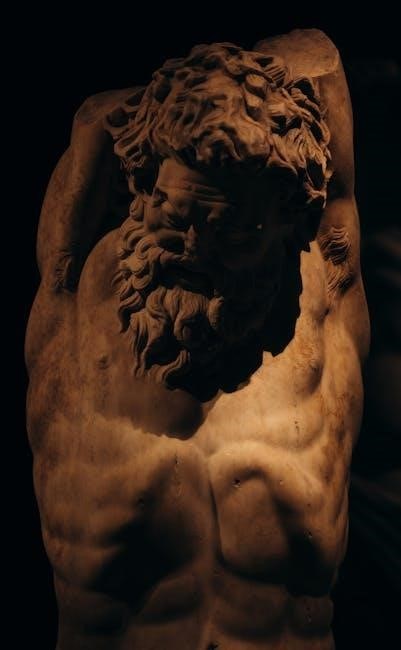
the trial and death of socrates pdf

Socrates’ trial, documented extensively, involved accusations of impiety and corrupting youth; his defense and subsequent execution profoundly impacted Western thought and ethics․

Historical Context of Ancient Athens

Ancient Athens, during the 5th century BCE, was a vibrant yet turbulent democracy․ This period, following the Persian Wars, witnessed a golden age of philosophical and artistic flourishing, but also political instability and social unrest․ The Peloponnesian War with Sparta deeply divided Athenian society, fostering an atmosphere of suspicion and questioning of traditional values․

Socrates lived amidst these shifting sands, challenging conventional norms through his relentless questioning․ Athenian democracy, while innovative, was susceptible to the influence of popular opinion and demagoguery․ The trial of Socrates occurred within this complex political landscape, reflecting anxieties about authority, tradition, and the very foundations of Athenian society․ Understanding this context is crucial for interpreting the events surrounding his condemnation․

The Charges Against Socrates: Impiety and Corrupting the Youth

Socrates faced two primary accusations: asebeia (impiety) – disrespect for the city’s gods – and corrupting the youth․ Meletus, Anytus, and Lycon formally brought these charges, alleging Socrates introduced new deities and influenced young Athenians to question established beliefs․ This was particularly sensitive in a society valuing tradition and religious observance․

The charge of corrupting the youth stemmed from Socrates’ association with individuals later deemed problematic by the Athenian state․ Critics argued his philosophical inquiries undermined civic virtue and loyalty․ These accusations, though debated, tapped into existing anxieties about social order and the influence of radical thought within Athenian society, ultimately leading to his trial․

The Accusation and Initial Defense

Formal accusations by Meletus, Anytus, and Lycon initiated Socrates’ trial; his initial defense centered on challenging the validity of these claims and seeking truth․

The Role of Meletus, Anytus, and Lycon

Meletus, a young and relatively unknown Athenian citizen, formally initiated the charges against Socrates, alleging impiety – disrespect for the city’s gods – and corrupting the youth․ Anytus, a prominent and wealthy politician with a history of opposing democratic reforms, likely held a personal grudge against Socrates due to his critical questioning of Athenian society and its leaders․ Lycon, a rhetorician and father of a student who had associated with Socrates, added his name to the accusation, potentially motivated by concerns about his son’s influence․

These three individuals represented different facets of Athenian society and their combined accusation presented a formidable challenge to Socrates, ultimately leading to his trial and condemnation․

Socrates’ Apology: A Defense Speech

Socrates’ Apology, as recounted by Plato, isn’t a plea for mercy but a robust defense of his philosophical life․ He vehemently denies the charges, asserting his commitment to truth and virtue․ Socrates explains his “divine sign,” an inner voice guiding him away from wrongdoing, and clarifies his method of questioning – elenchus – aimed at exposing ignorance and prompting self-examination․

He argues that a good life is a virtuous life, and that fearing death is foolish, as it’s an unknown state․ His speech isn’t about escaping punishment, but about upholding philosophical integrity․

Key Arguments in Socrates’ Defense

Socrates’ central defense rests on his assertion that he is pursuing truth and fulfilling a divine mission, as ordained by the oracle at Delphi․ He contends that his questioning, though irritating to some, is a service to Athens, prompting citizens to examine their beliefs․ He refutes the charge of corrupting the youth, arguing he improves them through critical thinking․

Furthermore, Socrates highlights his poverty and lack of political ambition, demonstrating he isn’t motivated by personal gain․ He insists that a life unexamined is not worth living, and his philosophical pursuit is paramount․

The Athenian Jury and the Trial Process

The Athenian jury, composed of hundreds of citizens, decided Socrates’ fate through a public vote; the process lacked formal rules of evidence and procedure․

Composition and Selection of the Jury

The Athenian jury for Socrates’ trial was remarkably large, typically consisting of between 201 and 501 citizens․ These jurors weren’t professional legal experts, but ordinary male citizens selected by lot – a process of random drawing – from a pool of eligible Athenians․ This pool was drawn from the dēmos, the body of all citizens․

Jurors were expected to be at least thirty years old and had to meet certain citizenship requirements․ There was no requirement for legal training or expertise․ The sheer number of jurors aimed to prevent bribery and ensure a representative sample of the Athenian populace․ This system, while intended to be democratic, also meant the jury lacked specialized knowledge of law or rhetoric, potentially influencing the outcome․

The Voting Procedure and Outcome

Following the speeches from both the prosecution and Socrates’ defense, the Athenian jury engaged in a two-stage voting process․ First, they deliberated on the question of guilt or innocence․ This was done through secret ballot, with jurors dropping stones into separate urns – one for ‘guilty’ and one for ‘not guilty․’

If a majority voted for guilt, a second vote determined the penalty․ Socrates’ accusers proposed death, and the jury then voted on whether to accept this or suggest an alternative punishment․ Ultimately, Socrates was found guilty by a narrow margin, and the jury, swayed by the prosecution, voted for the death penalty․

Socrates’ Reaction to the Verdict

Upon receiving the guilty verdict, Socrates displayed remarkable composure, a characteristic trait throughout the trial․ Accounts suggest he wasn’t surprised, seemingly anticipating the outcome given the prevailing sentiment against him and his philosophical inquiries․ He engaged in a calm discussion with the jurors, questioning the fairness of their decision and expressing his continued commitment to truth․

Rather than pleading for mercy or exhibiting despair, Socrates maintained his dignity and philosophical stance․ He calmly accepted the judgment, viewing it as a consequence of his dedication to examining life and challenging conventional wisdom, even in the face of death․

The Sentence and Imprisonment

Following the verdict, Socrates faced a death sentence; however, he rejected exile or silence, ultimately enduring imprisonment awaiting the execution of his penalty․

The Proposed Penalties and Socrates’ Rejection

After being found guilty, Socrates was asked to propose a penalty fitting his crimes․ Surprisingly, he rejected suggestions of exile, which would have allowed him to continue philosophizing elsewhere, and even monetary fines․ He firmly believed that to propose a lesser punishment would be to acknowledge the justice of the charges against him – charges he vehemently denied․

Instead, Socrates ironically suggested being rewarded with free meals at the Prytaneum, a state-sponsored dining hall, recognizing his contribution to Athens through philosophical inquiry․ This audacious response infuriated the jury, solidifying their resolve for a harsher sentence, ultimately leading to his condemnation to death․

Conditions of Imprisonment in Athenian Prisons

Athenian prisons during Socrates’ time were markedly different from modern facilities․ Primarily used for holding individuals awaiting trial or execution, they lacked the rehabilitative focus of contemporary systems․ Conditions were harsh, characterized by cramped, dark cells and limited sanitation․ Prisoners relied on friends and family to bring food and basic necessities, as the state provided minimal support․

Socrates’ imprisonment wasn’t solitary confinement; he received visitors, including disciples like Plato and Crito, who detailed his philosophical discussions and plans for escape․ Despite the grim environment, Socrates maintained his composure and continued engaging in dialogue, demonstrating his unwavering commitment to philosophical inquiry even in adversity․

The Opportunity for Escape: Crito’s Plea

Crito, a devoted friend of Socrates, visited him in prison and passionately urged him to escape, presenting a detailed plan to smuggle him out of Athens․ Crito argued that escaping was not only possible but also justifiable, emphasizing the injustice of the verdict and Socrates’ duty to his family and friends who would suffer from his death․

He highlighted the potential for public condemnation of the Athenian authorities if Socrates were allowed to die unjustly․ However, Socrates steadfastly refused, believing that escaping would violate his principles and undermine the laws of Athens, even if those laws were unfairly applied to him․

Socrates’ Philosophical Stance on Death

Socrates viewed death not as an evil, but as a potential transition to a better state, or peaceful nothingness, dismissing the common fear as ignorance․

The Soul’s Immortality and the Afterlife

Socrates, as portrayed in Plato’s dialogues, particularly the Phaedo, extensively argued for the immortality of the soul․ He posited that the soul exists prior to birth and continues after death, undergoing reincarnation․ This belief stemmed from his theory of Forms – eternal, unchanging ideals – which the soul apprehends before inhabiting a body․

Death, therefore, isn’t annihilation but a separation of the soul from the body, allowing it to return to the realm of Forms․ The virtuous soul, having focused on philosophical pursuits, is deemed more likely to achieve a favorable afterlife․ Conversely, a soul attached to bodily desires faces a less desirable fate, potentially requiring further cycles of rebirth․ This perspective offered Socrates solace in the face of execution․

The Fear of Death as Ignorance

Socrates argued that the fear of death arises from a false belief that death is an evil․ He contended that humans fear what they do not understand, and death remains largely unknown․ If death is simply a state of non-existence, it cannot be harmful, as there is no consciousness to experience harm․

Alternatively, if death involves a transition to another realm, it could be even more beneficial than life․ Therefore, fearing death is irrational; true wisdom lies in recognizing our ignorance about it․ Socrates believed philosophical inquiry should aim to dispel this fear, preparing individuals for a peaceful acceptance of their mortality․

Acceptance of Fate and Divine Providence

Socrates demonstrated a profound acceptance of his fate, believing it was divinely ordained․ He consistently maintained that a good man should not fear death, even when facing unjust punishment; This acceptance stemmed from his conviction that the gods guide all things, and resisting their will is futile and impious․

He viewed his trial not as a defeat, but as a fulfillment of a higher purpose․ Socrates trusted in divine providence, believing that even in death, a greater good would be served․ This unwavering faith allowed him to face execution with remarkable composure and dignity, inspiring generations․

The Execution of Socrates

Socrates faced execution by hemlock poisoning, calmly accepting his fate amidst friends and disciples, demonstrating philosophical fortitude until his final moments․

The Method of Execution: Hemlock Poisoning

Socrates’ execution involved the administration of hemlock, a highly poisonous plant․ This method, common in ancient Athens for capital punishment, induced gradual paralysis beginning in the feet, ascending through the body․ The process wasn’t swift, allowing Socrates time for final conversations with his devoted followers․

Plato’s Phaedo vividly describes the physical effects, detailing the chilling sensation and eventual cessation of bodily functions․ The hemlock’s impact wasn’t merely physical; it represented the state’s rejection of Socrates’ philosophical inquiries․ It was a deliberate, public act intended to silence dissent, yet ironically, it immortalized Socrates’ ideas and cemented his legacy as a martyr for truth and intellectual freedom․

Socrates’ Final Hours and Conversations

Socrates spent his last hours in prison, calmly engaging in philosophical discourse with friends and disciples, notably detailed in Plato’s Phaedo․ He dismissed anxieties about death, arguing for the soul’s immortality and the prospect of a better afterlife; These conversations weren’t expressions of despair, but rather a reaffirmation of his lifelong pursuit of wisdom and virtue․

He patiently answered questions, offering reasoned arguments and challenging conventional beliefs․ His composure and intellectual rigor remained unbroken, even in the face of imminent death․ Socrates’ final moments exemplified his commitment to philosophical inquiry, transforming his execution into a powerful lesson on living a meaningful life․

The Presence of Friends and Disciples

Throughout Socrates’ imprisonment and final hours, a devoted circle of friends and disciples remained steadfastly by his side․ Figures like Plato, Crito, and Xenophon witnessed his unwavering commitment to his principles, documenting his dialogues and providing invaluable accounts of his character․ Their presence wasn’t merely observational; they actively participated in philosophical discussions, challenging Socrates and seeking guidance․

These companions offered opportunities for escape, which Socrates resolutely declined, prioritizing adherence to the law․ Their grief was palpable, yet they respected his decision, recognizing the profound integrity that defined his life and death․ Their testimonies became crucial in preserving Socrates’ legacy․

Philosophical Interpretations and Legacy

Plato and Xenophon’s writings immortalized Socrates, shaping Western philosophy; his emphasis on reason, ethics, and self-knowledge continues to inspire critical thought today․

Plato’s Accounts: Apology, Crito, and Phaedo

Plato’s dialogues offer invaluable, though potentially idealized, portrayals of Socrates’ trial and final days․ The Apology meticulously reconstructs Socrates’ defense speech, showcasing his unwavering commitment to philosophical inquiry and truth, even in the face of death․

The Crito explores Socrates’ reasoning for accepting his unjust sentence, emphasizing the importance of obeying just laws and upholding societal order, even when personally wronged․ Finally, the Phaedo details Socrates’ serene death, focusing on his philosophical arguments for the immortality of the soul and the separation of the body and spirit․

These texts are foundational for understanding Socrates’ beliefs and the ethical dilemmas surrounding his trial, though their literary nature necessitates critical analysis․

Xenophon’s Portrayal of Socrates

Xenophon, a student and contemporary of Socrates, presents a contrasting perspective in his Memorabilia and Apology․ Unlike Plato’s more philosophical and dramatic accounts, Xenophon’s portrayal emphasizes Socrates’ practical wisdom, piety, and contributions to Athenian society․

He depicts Socrates as a skilled conversationalist who guided his companions towards virtuous conduct and sound judgment, rather than a radical questioner challenging fundamental beliefs․ Xenophon’s Apology offers a more straightforward defense, focusing on rebutting specific accusations and highlighting Socrates’ beneficial influence․

Scholars debate whether Xenophon’s depiction is a more accurate, less idealized representation of the historical Socrates, or simply a different interpretation․

Socrates’ Influence on Western Philosophy

Socrates fundamentally reshaped Western philosophical inquiry, despite not leaving any written works himself․ His emphasis on critical self-examination, the Socratic method – questioning assumptions to reveal underlying contradictions – became a cornerstone of philosophical practice․

Through his student Plato, Socrates’ ideas profoundly influenced metaphysics, epistemology, and ethics․ Concepts like the pursuit of virtue, the importance of reason, and the search for universal definitions continue to resonate․

His martyrdom also established a powerful archetype of the philosopher as a truth-seeker willing to challenge authority, inspiring generations of thinkers․

The Significance of the Trial for Political Thought

Socrates’ trial highlights tensions between individual beliefs and state power, raising crucial questions about democracy, justice, and the limits of authority․

Conflict Between Individual Conscience and State Authority

Socrates’ unwavering commitment to philosophical inquiry, even when facing accusations that threatened his life, embodies a profound conflict․ He prioritized truth and moral integrity above obedience to the Athenian state, believing a life unexamined wasn’t worth living․ This stance directly challenged the authority demanding conformity․

The trial demonstrates the dangers when a government suppresses dissenting voices and prioritizes political expediency over intellectual honesty․ Socrates’ refusal to compromise his principles, even to save himself, established a powerful precedent for individual conscience as a check on state power․ His case continues to fuel debates about civil disobedience and the ethical obligations of citizens․

The Dangers of Democracy and Mob Rule

Socrates’ trial starkly illustrates the potential pitfalls of direct democracy, where popular opinion can easily sway justice․ The large jury, influenced by pre-existing biases and emotional appeals, condemned a man whose only crime was challenging conventional wisdom․ This highlights how easily a democratic system can devolve into mob rule, prioritizing popular sentiment over reasoned judgment․

The accusations against Socrates, fueled by political rivals, demonstrate how easily democratic processes can be manipulated․ His fate serves as a cautionary tale about the fragility of justice when subjected to the whims of public opinion and the dangers of unchecked power within a democratic framework․

The Importance of Critical Thinking and Questioning

Socrates’ life and death epitomize the vital importance of critical thinking and relentless questioning․ He challenged Athenians to examine their beliefs, exposing contradictions and prompting deeper understanding – a method perceived as threatening by the established order․ His unwavering commitment to intellectual honesty, even in the face of death, underscores the necessity of independent thought․

The trial reveals the dangers of unexamined assumptions and the suppression of dissenting voices․ Socrates’ insistence on questioning everything, including societal norms, remains a powerful call to cultivate intellectual courage and resist blind acceptance of authority, fostering a society built on reason and truth․

Modern Relevance and Scholarly Debate

Socrates’ trial continues to spark debate regarding intellectual freedom, justice, and the tension between individual beliefs and societal norms, remaining profoundly relevant today․

Socrates as a Symbol of Intellectual Freedom

Socrates stands as an enduring emblem of intellectual freedom, representing the courage to question established norms and pursue truth relentlessly, even in the face of persecution․ His unwavering commitment to critical thinking, embodied in his method of elenchus – probing questioning – challenged Athenian society’s assumptions․

The trial itself highlights the dangers of suppressing dissenting voices and the importance of protecting free speech․ His refusal to compromise his philosophical principles, even to save his life, cemented his legacy as a champion of independent thought․

For centuries, Socrates has inspired individuals to prioritize intellectual honesty and the pursuit of knowledge above conformity and societal pressure, making him a timeless icon․

Ongoing Discussions about the Fairness of the Trial

Scholarly debate continues regarding the fairness of Socrates’ trial, questioning whether political motivations heavily influenced the outcome․ Some argue the charges were fabricated or exaggerated by his opponents – Meletus, Anytus, and Lycon – seeking to silence a prominent critic of Athenian democracy․

The size of the jury (501 citizens) and the voting procedure, which allowed for relatively small majorities to secure a conviction, are also points of contention․

Historians analyze the socio-political climate of the time, suggesting Socrates’ philosophical inquiries threatened the established order, leading to a predetermined verdict․ The trial remains a complex case study in legal and ethical considerations․

The Enduring Appeal of Socrates’ Philosophy

Socrates’ enduring appeal stems from his commitment to critical thinking, self-examination, and the pursuit of truth, even in the face of death; His method of questioning – the Socratic method – continues to be a cornerstone of educational philosophy, fostering intellectual curiosity and rigorous analysis․

His emphasis on virtue, knowledge, and the examined life resonates across cultures and generations․

The accounts by Plato and Xenophon offer invaluable insights into his teachings and personality, solidifying his status as a foundational figure in Western thought․ His willingness to prioritize principles over personal safety inspires ongoing reflection on morality and justice․

Resources for Further Study

Explore Plato’s dialogues and Xenophon’s Memorabilia for primary sources; scholarly books and articles offer deeper analysis of Socrates’ life and trial․

Primary Sources: Plato’s Dialogues and Xenophon’s Memorabilia

Plato’s dialogues, particularly the Apology, Crito, and Phaedo, are foundational texts․ The Apology presents Socrates’ defense speech, offering invaluable insight into his philosophical stance and the charges against him․ Crito explores themes of justice, law, and civic duty through a conversation about escaping imprisonment․

Phaedo details Socrates’ final hours and arguments for the immortality of the soul․ Xenophon’s Memorabilia provides a different, more historically-focused perspective on Socrates’ life, character, and teachings, complementing Plato’s more philosophical portrayals․ These texts, though differing in style, are crucial for understanding the historical context and philosophical complexities surrounding Socrates’ trial and death․

Secondary Sources: Scholarly Books and Articles

Numerous scholarly works analyze Socrates’ trial and death, offering diverse interpretations․ Stone’s “The Trial of Socrates” provides a detailed legal and historical examination of the proceedings․ Benson’s “Socrates’ Apology” offers a comprehensive analysis of Plato’s text, exploring its rhetorical strategies and philosophical arguments․

Articles in journals like the Classical Quarterly and Ancient Philosophy frequently address specific aspects of the trial, such as the political motivations of the accusers or the philosophical implications of Socrates’ defense․ These sources provide critical perspectives and contextualize the primary texts, enriching our understanding of this pivotal event in intellectual history․

Online Resources and Digital Archives

Several online platforms offer access to resources concerning Socrates’ trial; The Perseus Digital Library provides digitized versions of primary texts, including Plato’s dialogues and Xenophon’s accounts, crucial for research․ JSTOR and Project MUSE host scholarly articles analyzing the trial’s historical and philosophical dimensions․

Internet Archive contains scanned copies of older scholarly books, offering valuable historical perspectives․ Websites dedicated to ancient philosophy often feature dedicated sections on Socrates, compiling relevant materials and offering interpretive essays․ These digital archives facilitate accessible and comprehensive study․

Posted in PDF

thirukkural tamil pdf with meaning

Thirukkural, a timeless classic penned by Thiruvalluvar, comprises 1330 kurals – concise couplets – offering profound wisdom.

These verses, available in Tamil PDF formats with meanings, explore Aram (righteousness), Porul (wealth), and Inbam (love).

Its enduring relevance makes accessing Thirukkural in Tamil, with English translations, incredibly valuable for scholars and enthusiasts alike.

What is Thirukkural?

Thirukkural is a classic Tamil text consisting of 1330 kurals, or couplets, renowned for its universal and ethical teachings. It’s considered one of the greatest works in Tamil literature and a significant contribution to world literature. The text isn’t tied to any particular religion or time period, making its wisdom accessible to all.

Each kural is a self-contained verse offering insights into various aspects of life – morality, politics, love, and wealth. Many seek to study Thirukkural in its original Tamil, often utilizing PDF versions with accompanying meanings for deeper understanding. These PDF resources frequently include both Tamil explanations and English translations, bridging the gap for non-Tamil speakers.

The structure is divided into three sections: Aram (virtue), Porul (wealth), and Inbam (love), each further categorized into chapters called Adhikarams. The availability of Thirukkural in Tamil PDF format with meanings has greatly facilitated its study and dissemination worldwide.

Thiruvalluvar, revered as Valluvar, is the celebrated author of the Thirukkural. Despite the profound impact of his work, very little is definitively known about his life. Historical accounts are scarce, and his origins remain a subject of scholarly debate. He is widely believed to have lived over 2000 years ago, though precise dating is challenging.

Regardless of the historical uncertainties, Thiruvalluvar’s genius shines through his verses. He is considered a cultural icon, particularly in Tamil Nadu. The accessibility of Thirukkural in Tamil PDF formats, often with detailed meanings, allows modern readers to connect directly with his wisdom.

His work transcends religious and societal boundaries, offering universal ethical guidance. Studying Thirukkural, often through PDF resources offering Tamil and English translations, is a testament to Thiruvalluvar’s enduring legacy and the timeless relevance of his teachings.

Historical Context and Dating

Pinpointing the exact historical context and dating of the Thirukkural remains a complex challenge for scholars. Estimates range widely, with some suggesting a composition date as early as the 3rd century BCE, while others propose a later period, around the 5th century CE. This ambiguity stems from the lack of concrete historical records contemporary to Thiruvalluvar.

The text itself offers few explicit clues regarding its creation date. However, linguistic analysis and references within the Thirukkural suggest a sophisticated understanding of ancient Tamil society and governance. The increasing availability of Thirukkural in Tamil PDF formats, complete with commentaries, facilitates ongoing research into its origins.

Despite the uncertainties, the Thirukkural clearly reflects a well-established ethical and philosophical tradition. Accessing the text through PDF versions, with Tamil meanings and English translations, allows for a deeper exploration of its historical and cultural significance.

Structure of Thirukkural

Thirukkural’s structure comprises 1330 kurals, organized into 133 adhikarams (chapters). These are grouped into three sections – Aram, Porul, and Inbam – readily available in Tamil PDF versions.

The 1330 Kurals

Thirukkural’s core consists of 1330 kurals, each a concise, independent verse offering ethical guidance. These couplets, often just two lines, are remarkably impactful due to their succinctness and universal themes. Accessing these verses is now easier than ever, with numerous Tamil PDF versions available for download, often including detailed meanings and interpretations.

Each kural addresses a specific aspect of life, covering morality, politics, love, and societal conduct. The beauty lies in their applicability across cultures and time periods. Many PDF resources provide both the original Tamil text and English translations, facilitating a deeper understanding for non-Tamil speakers. The consistent structure – a statement followed by its elaboration – enhances clarity and memorability. Finding a comprehensive Thirukkural in Tamil PDF with meaning allows for a thorough exploration of this literary masterpiece.

Three Main Sections: Aram, Porul, Inbam

Thirukkural is systematically divided into three distinct sections: Aram (Dharma – righteousness), Porul (Artha – wealth and prosperity), and Inbam (Kama – love and pleasure). This tripartite structure provides a holistic view of human existence, addressing ethical conduct, material well-being, and emotional fulfillment.

Many Tamil PDF versions of Thirukkural clearly delineate these sections, often with introductory notes explaining the scope of each. Studying these sections in sequence offers a comprehensive understanding of Valluvar’s philosophy. Resources offering Tamil text alongside English translations within each section are particularly valuable. The Aram section focuses on moral virtues, Porul on governance and economics, and Inbam on the nuances of love and relationships. Downloading a complete Thirukkural PDF with meaning allows for focused study of each of these vital areas.

Adhikarams: The Chapters

Thirukkural’s 1330 verses are organized into 133 Adhikarams – chapters – each dedicated to a specific theme. These chapters provide a focused exploration of particular virtues, vices, or aspects of life. A well-structured Tamil PDF of Thirukkural will clearly identify each Adhikaram, often with a descriptive title summarizing its content.

Each Adhikaram typically contains ten kurals, creating a cohesive and manageable unit for study. Accessing a Thirukkural PDF with Tamil meaning and English translation allows readers to navigate these chapters effectively. Understanding the Adhikarams is crucial for grasping the logical flow of Valluvar’s teachings. Resources that highlight the connections between different Adhikarams enhance comprehension, offering a deeper appreciation of the text’s overall structure and wisdom.

Thirukkural in Tamil PDF: Availability and Sources

Thirukkural in Tamil PDF format, with meanings, is widely accessible online through various websites and digital libraries.

Free downloads offer complete texts, including Tamil and English translations.

Free PDF Downloads

Thirukkural, with Tamil meaning and English translation, is readily available for free download in PDF format from numerous online sources. These digital versions cater to a wide audience, offering convenient access to this ancient wisdom. Websites like ThiruTamil and others dedicated to Tamil literature frequently host complete PDFs encompassing all 1330 kurals.

These downloadable resources often include the original Tamil text alongside detailed explanations in Tamil, and accurate English translations for non-Tamil speakers. Users can easily search, copy, and study the verses. The availability of these free PDFs promotes the widespread study and appreciation of Thirukkural, making it accessible to anyone with an internet connection. Be sure to verify the source for reliability.

Reliable Websites for Downloading

Several websites consistently provide trustworthy PDF downloads of Thirukkural with Tamil meaning and English translations. Internet Archive hosts digitized versions, including those with notes and commentaries by K.M. Balasubramaniam. ThiruTamil is a dedicated resource offering a complete 1330 kural PDF, alongside Tamil explanations and transliterations.

Additionally, platforms specializing in Tamil literature often feature downloadable Thirukkural texts. When selecting a source, prioritize websites with clear copyright information and a reputation for accuracy. Checking user reviews and verifying the completeness of the PDF (all 1330 kurals present) are also prudent steps. These sites ensure access to authentic and well-maintained versions of this classic work.

PDF Versions with Tamil Meaning

Numerous PDF versions of Thirukkural prioritize the inclusion of Tamil meaning alongside the original verses. These resources are invaluable for those seeking a deeper understanding of the text’s nuances. Many downloadable PDFs present each kural with its Tamil translation directly beneath the original, facilitating comparative study.

Some versions also incorporate adhikaram (chapter) breakdowns, enhancing navigation. Others offer both Tamil and English meanings, catering to a wider audience. When searching, look for PDFs explicitly stating “with meaning in Tamil” or “தரக்கறள் with meaning.” Websites like ThiruTamil specialize in providing these comprehensive PDFs, ensuring access to the complete 1330 kurals with detailed explanations.

Understanding the Meaning of Thirukkural

Thirukkural’s depth is best grasped with Tamil meaning, aided by PDF resources. Translations offer insight, but the original Tamil context is crucial.

Exploring both enhances comprehension.

Importance of Tamil Meaning

Understanding Thirukkural in its original Tamil is paramount to fully appreciating its nuances and depth. While English translations provide accessibility, they inevitably lose some of the poetic beauty and cultural context embedded within the verses. The concise nature of the kurals relies heavily on the richness and flexibility of the Tamil language.

Accessing Thirukkural in Tamil PDF format, alongside meanings, allows readers to engage directly with Thiruvalluvar’s original intent. This direct engagement fosters a deeper connection to the text and unlocks layers of meaning that might be missed in translation. The availability of these PDF resources with Tamil explanations is therefore crucial for serious students and enthusiasts seeking a comprehensive understanding of this literary masterpiece. It allows for a more authentic and profound experience.

English Translations: A Comparative Overview

Numerous English translations of Thirukkural exist, each offering a unique interpretation of Thiruvalluvar’s verses. While a Tamil PDF with meaning provides the most authentic experience, translations broaden accessibility. K.M. Balasubramaniam’s translation, available through the Internet Archive, is a well-regarded scholarly work, known for its detailed notes and commentary.

However, translations vary in their approach – some prioritize literal accuracy, while others focus on conveying the underlying spirit and philosophical intent. Comparing different translations reveals the challenges of rendering the concise Tamil couplets into English. Readers utilizing Thirukkural in Tamil PDF format alongside multiple English versions can gain a more holistic understanding, appreciating both the original artistry and the diverse interpretations offered by translators. This comparative study enriches the reading experience.

Transliteration and Translation Resources

For those engaging with Thirukkural, especially when starting with a Tamil PDF, several resources aid comprehension. Transliteration tools convert Tamil script into Roman characters, assisting pronunciation and reading for those unfamiliar with the alphabet. Websites like ThiruTamil offer complete Thirukkural texts in PDF format, alongside Tamil meanings and English translations.

Furthermore, online dictionaries and lexical resources help decipher individual words and phrases within the kurals. Digital archives, such as the Internet Archive, host scanned versions of classic translations and commentaries. Utilizing these resources alongside a Tamil PDF with meaning allows for a layered learning experience, combining textual analysis with linguistic support. These tools empower readers to delve deeper into the wisdom of Thiruvalluvar.

Key Themes and Concepts in Thirukkural

Thirukkural, accessible via Tamil PDF versions, centers on Aram (virtue), Porul (wealth), and Inbam (love)—universal themes explored through concise couplets.

Aram (Dharma): Righteousness

Aram, often translated as Dharma, forms the foundational section of Thirukkural, encompassing 380 kurals dedicated to ethical conduct and moral principles. Exploring this section through a Thirukkural Tamil PDF with meaning reveals a comprehensive guide to righteous living.

It delves into virtues like honesty, compassion, and self-control, emphasizing their importance for individual and societal well-being. The text stresses the significance of fulfilling one’s duties, respecting elders, and practicing non-violence. Accessing these teachings via digital PDF formats allows for easy study and contemplation.

Understanding Aram requires careful consideration of the Tamil context and nuanced translations. Many PDF resources offer both Tamil text and English interpretations, aiding comprehension. The principles outlined in this section remain remarkably relevant, offering timeless guidance for navigating life’s complexities and fostering a just and harmonious world.

Porul (Artha): Wealth and Prosperity

Porul, signifying wealth and prosperity, constitutes the second division of Thirukkural, comprising 700 kurals. Studying this section within a Thirukkural Tamil PDF with meaning provides insights into ethical acquisition and management of resources.

It doesn’t advocate for mere material gain, but rather emphasizes the responsible use of wealth for the benefit of oneself and society. The verses discuss governance, diplomacy, and the importance of earning a livelihood through honest means. A PDF version facilitates detailed examination of these concepts.

The Tamil text, alongside English translations, clarifies the nuanced understanding of ‘wealth’ – encompassing not just material possessions, but also knowledge, reputation, and strong relationships. Accessing these teachings through readily available PDF downloads allows for a deeper appreciation of Thiruvalluvar’s wisdom on achieving sustainable prosperity.

Inbam (Kama): Love and Pleasure

Inbam, the third section of Thirukkural, explores the realm of love and pleasure, dedicating 411 kurals to this vital aspect of human experience. A Thirukkural Tamil PDF with meaning offers a unique window into ancient Tamil perspectives on relationships, courtship, and marital life.

However, Inbam isn’t solely about romantic love; it encompasses the joys of friendship, family, and sensual appreciation. The verses emphasize the importance of mutual respect, fidelity, and the delicate balance between desire and restraint. Studying the Tamil text within a PDF format reveals the poetic beauty and philosophical depth of these teachings.

English translations alongside the original Tamil allow for a comprehensive understanding of Thiruvalluvar’s nuanced portrayal of human emotions and the pursuit of happiness. Accessible PDF downloads make this timeless wisdom readily available to all.

Posted in PDF