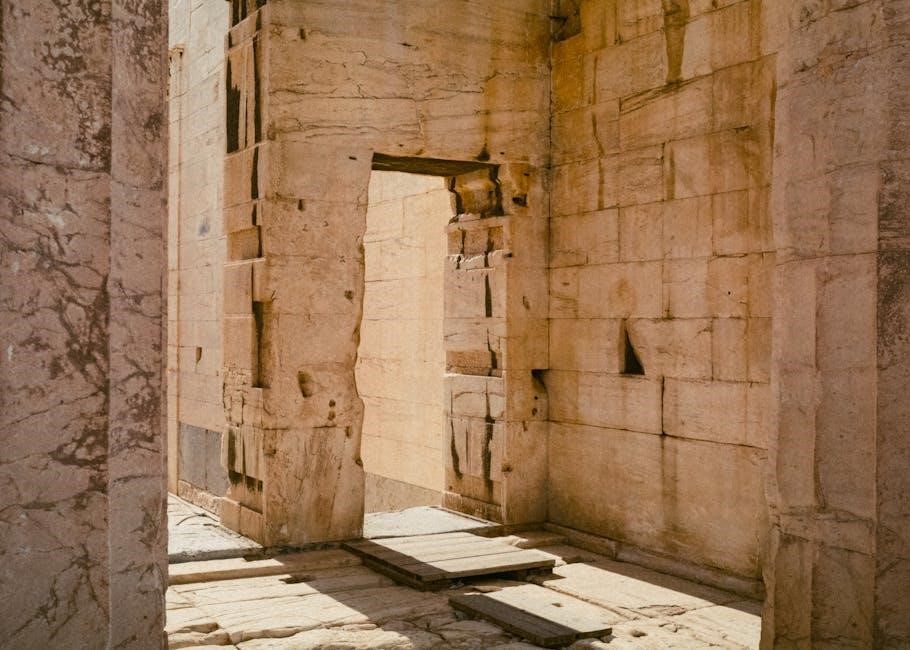
Socrates’ trial, documented extensively, involved accusations of impiety and corrupting youth; his defense and subsequent execution profoundly impacted Western thought and ethics․
Historical Context of Ancient Athens
Ancient Athens, during the 5th century BCE, was a vibrant yet turbulent democracy․ This period, following the Persian Wars, witnessed a golden age of philosophical and artistic flourishing, but also political instability and social unrest․ The Peloponnesian War with Sparta deeply divided Athenian society, fostering an atmosphere of suspicion and questioning of traditional values․
Socrates lived amidst these shifting sands, challenging conventional norms through his relentless questioning․ Athenian democracy, while innovative, was susceptible to the influence of popular opinion and demagoguery․ The trial of Socrates occurred within this complex political landscape, reflecting anxieties about authority, tradition, and the very foundations of Athenian society․ Understanding this context is crucial for interpreting the events surrounding his condemnation․
The Charges Against Socrates: Impiety and Corrupting the Youth
Socrates faced two primary accusations: asebeia (impiety) – disrespect for the city’s gods – and corrupting the youth․ Meletus, Anytus, and Lycon formally brought these charges, alleging Socrates introduced new deities and influenced young Athenians to question established beliefs․ This was particularly sensitive in a society valuing tradition and religious observance․
The charge of corrupting the youth stemmed from Socrates’ association with individuals later deemed problematic by the Athenian state․ Critics argued his philosophical inquiries undermined civic virtue and loyalty․ These accusations, though debated, tapped into existing anxieties about social order and the influence of radical thought within Athenian society, ultimately leading to his trial․
The Accusation and Initial Defense
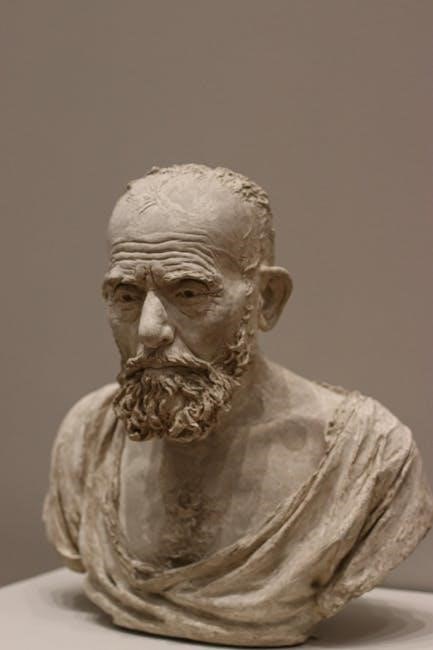
Formal accusations by Meletus, Anytus, and Lycon initiated Socrates’ trial; his initial defense centered on challenging the validity of these claims and seeking truth․
The Role of Meletus, Anytus, and Lycon
Meletus, a young and relatively unknown Athenian citizen, formally initiated the charges against Socrates, alleging impiety – disrespect for the city’s gods – and corrupting the youth․ Anytus, a prominent and wealthy politician with a history of opposing democratic reforms, likely held a personal grudge against Socrates due to his critical questioning of Athenian society and its leaders․ Lycon, a rhetorician and father of a student who had associated with Socrates, added his name to the accusation, potentially motivated by concerns about his son’s influence․
These three individuals represented different facets of Athenian society and their combined accusation presented a formidable challenge to Socrates, ultimately leading to his trial and condemnation․
Socrates’ Apology: A Defense Speech
Socrates’ Apology, as recounted by Plato, isn’t a plea for mercy but a robust defense of his philosophical life․ He vehemently denies the charges, asserting his commitment to truth and virtue․ Socrates explains his “divine sign,” an inner voice guiding him away from wrongdoing, and clarifies his method of questioning – elenchus – aimed at exposing ignorance and prompting self-examination․
He argues that a good life is a virtuous life, and that fearing death is foolish, as it’s an unknown state․ His speech isn’t about escaping punishment, but about upholding philosophical integrity․
Key Arguments in Socrates’ Defense
Socrates’ central defense rests on his assertion that he is pursuing truth and fulfilling a divine mission, as ordained by the oracle at Delphi․ He contends that his questioning, though irritating to some, is a service to Athens, prompting citizens to examine their beliefs․ He refutes the charge of corrupting the youth, arguing he improves them through critical thinking․
Furthermore, Socrates highlights his poverty and lack of political ambition, demonstrating he isn’t motivated by personal gain․ He insists that a life unexamined is not worth living, and his philosophical pursuit is paramount․
The Athenian Jury and the Trial Process
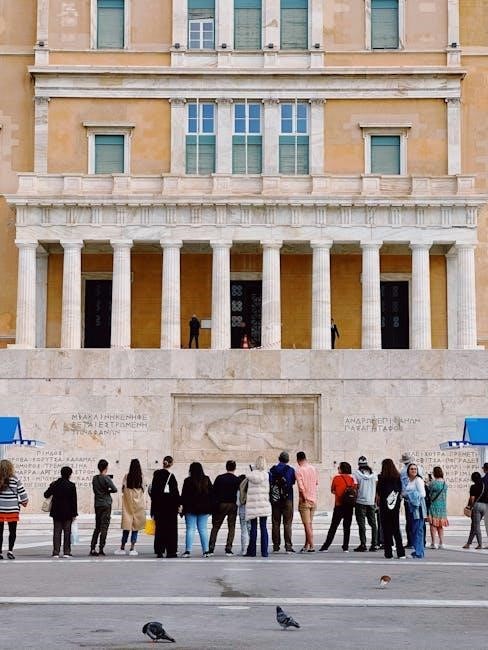
The Athenian jury, composed of hundreds of citizens, decided Socrates’ fate through a public vote; the process lacked formal rules of evidence and procedure․
Composition and Selection of the Jury
The Athenian jury for Socrates’ trial was remarkably large, typically consisting of between 201 and 501 citizens․ These jurors weren’t professional legal experts, but ordinary male citizens selected by lot – a process of random drawing – from a pool of eligible Athenians․ This pool was drawn from the dēmos, the body of all citizens․
Jurors were expected to be at least thirty years old and had to meet certain citizenship requirements․ There was no requirement for legal training or expertise․ The sheer number of jurors aimed to prevent bribery and ensure a representative sample of the Athenian populace․ This system, while intended to be democratic, also meant the jury lacked specialized knowledge of law or rhetoric, potentially influencing the outcome․
The Voting Procedure and Outcome
Following the speeches from both the prosecution and Socrates’ defense, the Athenian jury engaged in a two-stage voting process․ First, they deliberated on the question of guilt or innocence․ This was done through secret ballot, with jurors dropping stones into separate urns – one for ‘guilty’ and one for ‘not guilty․’
If a majority voted for guilt, a second vote determined the penalty․ Socrates’ accusers proposed death, and the jury then voted on whether to accept this or suggest an alternative punishment․ Ultimately, Socrates was found guilty by a narrow margin, and the jury, swayed by the prosecution, voted for the death penalty․
Socrates’ Reaction to the Verdict
Upon receiving the guilty verdict, Socrates displayed remarkable composure, a characteristic trait throughout the trial․ Accounts suggest he wasn’t surprised, seemingly anticipating the outcome given the prevailing sentiment against him and his philosophical inquiries․ He engaged in a calm discussion with the jurors, questioning the fairness of their decision and expressing his continued commitment to truth․
Rather than pleading for mercy or exhibiting despair, Socrates maintained his dignity and philosophical stance․ He calmly accepted the judgment, viewing it as a consequence of his dedication to examining life and challenging conventional wisdom, even in the face of death․
The Sentence and Imprisonment
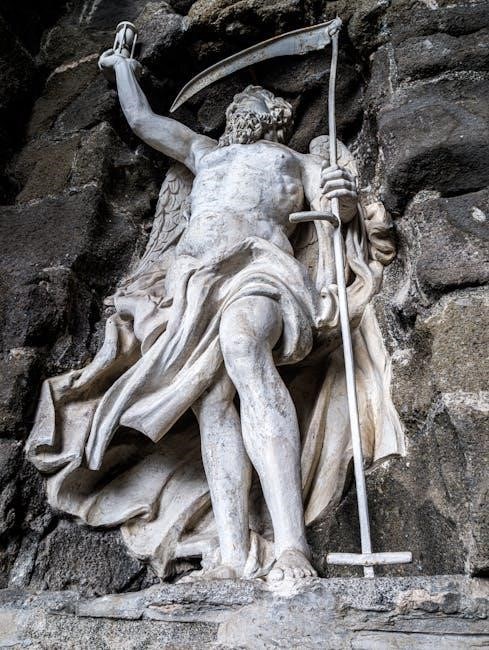
Following the verdict, Socrates faced a death sentence; however, he rejected exile or silence, ultimately enduring imprisonment awaiting the execution of his penalty․
The Proposed Penalties and Socrates’ Rejection
After being found guilty, Socrates was asked to propose a penalty fitting his crimes․ Surprisingly, he rejected suggestions of exile, which would have allowed him to continue philosophizing elsewhere, and even monetary fines․ He firmly believed that to propose a lesser punishment would be to acknowledge the justice of the charges against him – charges he vehemently denied․
Instead, Socrates ironically suggested being rewarded with free meals at the Prytaneum, a state-sponsored dining hall, recognizing his contribution to Athens through philosophical inquiry․ This audacious response infuriated the jury, solidifying their resolve for a harsher sentence, ultimately leading to his condemnation to death․
Conditions of Imprisonment in Athenian Prisons
Athenian prisons during Socrates’ time were markedly different from modern facilities․ Primarily used for holding individuals awaiting trial or execution, they lacked the rehabilitative focus of contemporary systems․ Conditions were harsh, characterized by cramped, dark cells and limited sanitation․ Prisoners relied on friends and family to bring food and basic necessities, as the state provided minimal support․
Socrates’ imprisonment wasn’t solitary confinement; he received visitors, including disciples like Plato and Crito, who detailed his philosophical discussions and plans for escape․ Despite the grim environment, Socrates maintained his composure and continued engaging in dialogue, demonstrating his unwavering commitment to philosophical inquiry even in adversity․
The Opportunity for Escape: Crito’s Plea
Crito, a devoted friend of Socrates, visited him in prison and passionately urged him to escape, presenting a detailed plan to smuggle him out of Athens․ Crito argued that escaping was not only possible but also justifiable, emphasizing the injustice of the verdict and Socrates’ duty to his family and friends who would suffer from his death․
He highlighted the potential for public condemnation of the Athenian authorities if Socrates were allowed to die unjustly․ However, Socrates steadfastly refused, believing that escaping would violate his principles and undermine the laws of Athens, even if those laws were unfairly applied to him․
Socrates’ Philosophical Stance on Death
Socrates viewed death not as an evil, but as a potential transition to a better state, or peaceful nothingness, dismissing the common fear as ignorance․
The Soul’s Immortality and the Afterlife
Socrates, as portrayed in Plato’s dialogues, particularly the Phaedo, extensively argued for the immortality of the soul․ He posited that the soul exists prior to birth and continues after death, undergoing reincarnation․ This belief stemmed from his theory of Forms – eternal, unchanging ideals – which the soul apprehends before inhabiting a body․
Death, therefore, isn’t annihilation but a separation of the soul from the body, allowing it to return to the realm of Forms․ The virtuous soul, having focused on philosophical pursuits, is deemed more likely to achieve a favorable afterlife․ Conversely, a soul attached to bodily desires faces a less desirable fate, potentially requiring further cycles of rebirth․ This perspective offered Socrates solace in the face of execution․
The Fear of Death as Ignorance
Socrates argued that the fear of death arises from a false belief that death is an evil․ He contended that humans fear what they do not understand, and death remains largely unknown․ If death is simply a state of non-existence, it cannot be harmful, as there is no consciousness to experience harm․
Alternatively, if death involves a transition to another realm, it could be even more beneficial than life․ Therefore, fearing death is irrational; true wisdom lies in recognizing our ignorance about it․ Socrates believed philosophical inquiry should aim to dispel this fear, preparing individuals for a peaceful acceptance of their mortality․
Acceptance of Fate and Divine Providence
Socrates demonstrated a profound acceptance of his fate, believing it was divinely ordained․ He consistently maintained that a good man should not fear death, even when facing unjust punishment; This acceptance stemmed from his conviction that the gods guide all things, and resisting their will is futile and impious․
He viewed his trial not as a defeat, but as a fulfillment of a higher purpose․ Socrates trusted in divine providence, believing that even in death, a greater good would be served․ This unwavering faith allowed him to face execution with remarkable composure and dignity, inspiring generations․
The Execution of Socrates
Socrates faced execution by hemlock poisoning, calmly accepting his fate amidst friends and disciples, demonstrating philosophical fortitude until his final moments․
The Method of Execution: Hemlock Poisoning
Socrates’ execution involved the administration of hemlock, a highly poisonous plant․ This method, common in ancient Athens for capital punishment, induced gradual paralysis beginning in the feet, ascending through the body․ The process wasn’t swift, allowing Socrates time for final conversations with his devoted followers․
Plato’s Phaedo vividly describes the physical effects, detailing the chilling sensation and eventual cessation of bodily functions․ The hemlock’s impact wasn’t merely physical; it represented the state’s rejection of Socrates’ philosophical inquiries․ It was a deliberate, public act intended to silence dissent, yet ironically, it immortalized Socrates’ ideas and cemented his legacy as a martyr for truth and intellectual freedom․
Socrates’ Final Hours and Conversations
Socrates spent his last hours in prison, calmly engaging in philosophical discourse with friends and disciples, notably detailed in Plato’s Phaedo․ He dismissed anxieties about death, arguing for the soul’s immortality and the prospect of a better afterlife; These conversations weren’t expressions of despair, but rather a reaffirmation of his lifelong pursuit of wisdom and virtue․
He patiently answered questions, offering reasoned arguments and challenging conventional beliefs․ His composure and intellectual rigor remained unbroken, even in the face of imminent death․ Socrates’ final moments exemplified his commitment to philosophical inquiry, transforming his execution into a powerful lesson on living a meaningful life․
The Presence of Friends and Disciples
Throughout Socrates’ imprisonment and final hours, a devoted circle of friends and disciples remained steadfastly by his side․ Figures like Plato, Crito, and Xenophon witnessed his unwavering commitment to his principles, documenting his dialogues and providing invaluable accounts of his character․ Their presence wasn’t merely observational; they actively participated in philosophical discussions, challenging Socrates and seeking guidance․
These companions offered opportunities for escape, which Socrates resolutely declined, prioritizing adherence to the law․ Their grief was palpable, yet they respected his decision, recognizing the profound integrity that defined his life and death․ Their testimonies became crucial in preserving Socrates’ legacy․
Philosophical Interpretations and Legacy
Plato and Xenophon’s writings immortalized Socrates, shaping Western philosophy; his emphasis on reason, ethics, and self-knowledge continues to inspire critical thought today․
Plato’s Accounts: Apology, Crito, and Phaedo
Plato’s dialogues offer invaluable, though potentially idealized, portrayals of Socrates’ trial and final days․ The Apology meticulously reconstructs Socrates’ defense speech, showcasing his unwavering commitment to philosophical inquiry and truth, even in the face of death․
The Crito explores Socrates’ reasoning for accepting his unjust sentence, emphasizing the importance of obeying just laws and upholding societal order, even when personally wronged․ Finally, the Phaedo details Socrates’ serene death, focusing on his philosophical arguments for the immortality of the soul and the separation of the body and spirit․
These texts are foundational for understanding Socrates’ beliefs and the ethical dilemmas surrounding his trial, though their literary nature necessitates critical analysis․
Xenophon’s Portrayal of Socrates
Xenophon, a student and contemporary of Socrates, presents a contrasting perspective in his Memorabilia and Apology․ Unlike Plato’s more philosophical and dramatic accounts, Xenophon’s portrayal emphasizes Socrates’ practical wisdom, piety, and contributions to Athenian society․
He depicts Socrates as a skilled conversationalist who guided his companions towards virtuous conduct and sound judgment, rather than a radical questioner challenging fundamental beliefs․ Xenophon’s Apology offers a more straightforward defense, focusing on rebutting specific accusations and highlighting Socrates’ beneficial influence․
Scholars debate whether Xenophon’s depiction is a more accurate, less idealized representation of the historical Socrates, or simply a different interpretation․
Socrates’ Influence on Western Philosophy
Socrates fundamentally reshaped Western philosophical inquiry, despite not leaving any written works himself․ His emphasis on critical self-examination, the Socratic method – questioning assumptions to reveal underlying contradictions – became a cornerstone of philosophical practice․
Through his student Plato, Socrates’ ideas profoundly influenced metaphysics, epistemology, and ethics․ Concepts like the pursuit of virtue, the importance of reason, and the search for universal definitions continue to resonate․
His martyrdom also established a powerful archetype of the philosopher as a truth-seeker willing to challenge authority, inspiring generations of thinkers․
The Significance of the Trial for Political Thought
Socrates’ trial highlights tensions between individual beliefs and state power, raising crucial questions about democracy, justice, and the limits of authority․
Conflict Between Individual Conscience and State Authority
Socrates’ unwavering commitment to philosophical inquiry, even when facing accusations that threatened his life, embodies a profound conflict․ He prioritized truth and moral integrity above obedience to the Athenian state, believing a life unexamined wasn’t worth living․ This stance directly challenged the authority demanding conformity․
The trial demonstrates the dangers when a government suppresses dissenting voices and prioritizes political expediency over intellectual honesty․ Socrates’ refusal to compromise his principles, even to save himself, established a powerful precedent for individual conscience as a check on state power․ His case continues to fuel debates about civil disobedience and the ethical obligations of citizens․
The Dangers of Democracy and Mob Rule
Socrates’ trial starkly illustrates the potential pitfalls of direct democracy, where popular opinion can easily sway justice․ The large jury, influenced by pre-existing biases and emotional appeals, condemned a man whose only crime was challenging conventional wisdom․ This highlights how easily a democratic system can devolve into mob rule, prioritizing popular sentiment over reasoned judgment․
The accusations against Socrates, fueled by political rivals, demonstrate how easily democratic processes can be manipulated․ His fate serves as a cautionary tale about the fragility of justice when subjected to the whims of public opinion and the dangers of unchecked power within a democratic framework․
The Importance of Critical Thinking and Questioning
Socrates’ life and death epitomize the vital importance of critical thinking and relentless questioning․ He challenged Athenians to examine their beliefs, exposing contradictions and prompting deeper understanding – a method perceived as threatening by the established order․ His unwavering commitment to intellectual honesty, even in the face of death, underscores the necessity of independent thought․
The trial reveals the dangers of unexamined assumptions and the suppression of dissenting voices․ Socrates’ insistence on questioning everything, including societal norms, remains a powerful call to cultivate intellectual courage and resist blind acceptance of authority, fostering a society built on reason and truth․

Modern Relevance and Scholarly Debate
Socrates’ trial continues to spark debate regarding intellectual freedom, justice, and the tension between individual beliefs and societal norms, remaining profoundly relevant today․
Socrates as a Symbol of Intellectual Freedom
Socrates stands as an enduring emblem of intellectual freedom, representing the courage to question established norms and pursue truth relentlessly, even in the face of persecution․ His unwavering commitment to critical thinking, embodied in his method of elenchus – probing questioning – challenged Athenian society’s assumptions․
The trial itself highlights the dangers of suppressing dissenting voices and the importance of protecting free speech․ His refusal to compromise his philosophical principles, even to save his life, cemented his legacy as a champion of independent thought․
For centuries, Socrates has inspired individuals to prioritize intellectual honesty and the pursuit of knowledge above conformity and societal pressure, making him a timeless icon․
Ongoing Discussions about the Fairness of the Trial
Scholarly debate continues regarding the fairness of Socrates’ trial, questioning whether political motivations heavily influenced the outcome․ Some argue the charges were fabricated or exaggerated by his opponents – Meletus, Anytus, and Lycon – seeking to silence a prominent critic of Athenian democracy․
The size of the jury (501 citizens) and the voting procedure, which allowed for relatively small majorities to secure a conviction, are also points of contention․
Historians analyze the socio-political climate of the time, suggesting Socrates’ philosophical inquiries threatened the established order, leading to a predetermined verdict․ The trial remains a complex case study in legal and ethical considerations․
The Enduring Appeal of Socrates’ Philosophy
Socrates’ enduring appeal stems from his commitment to critical thinking, self-examination, and the pursuit of truth, even in the face of death; His method of questioning – the Socratic method – continues to be a cornerstone of educational philosophy, fostering intellectual curiosity and rigorous analysis․
His emphasis on virtue, knowledge, and the examined life resonates across cultures and generations․
The accounts by Plato and Xenophon offer invaluable insights into his teachings and personality, solidifying his status as a foundational figure in Western thought․ His willingness to prioritize principles over personal safety inspires ongoing reflection on morality and justice․
Resources for Further Study
Explore Plato’s dialogues and Xenophon’s Memorabilia for primary sources; scholarly books and articles offer deeper analysis of Socrates’ life and trial․
Primary Sources: Plato’s Dialogues and Xenophon’s Memorabilia
Plato’s dialogues, particularly the Apology, Crito, and Phaedo, are foundational texts․ The Apology presents Socrates’ defense speech, offering invaluable insight into his philosophical stance and the charges against him․ Crito explores themes of justice, law, and civic duty through a conversation about escaping imprisonment․
Phaedo details Socrates’ final hours and arguments for the immortality of the soul․ Xenophon’s Memorabilia provides a different, more historically-focused perspective on Socrates’ life, character, and teachings, complementing Plato’s more philosophical portrayals․ These texts, though differing in style, are crucial for understanding the historical context and philosophical complexities surrounding Socrates’ trial and death․
Secondary Sources: Scholarly Books and Articles
Numerous scholarly works analyze Socrates’ trial and death, offering diverse interpretations․ Stone’s “The Trial of Socrates” provides a detailed legal and historical examination of the proceedings․ Benson’s “Socrates’ Apology” offers a comprehensive analysis of Plato’s text, exploring its rhetorical strategies and philosophical arguments․
Articles in journals like the Classical Quarterly and Ancient Philosophy frequently address specific aspects of the trial, such as the political motivations of the accusers or the philosophical implications of Socrates’ defense․ These sources provide critical perspectives and contextualize the primary texts, enriching our understanding of this pivotal event in intellectual history․
Online Resources and Digital Archives
Several online platforms offer access to resources concerning Socrates’ trial; The Perseus Digital Library provides digitized versions of primary texts, including Plato’s dialogues and Xenophon’s accounts, crucial for research․ JSTOR and Project MUSE host scholarly articles analyzing the trial’s historical and philosophical dimensions․
Internet Archive contains scanned copies of older scholarly books, offering valuable historical perspectives․ Websites dedicated to ancient philosophy often feature dedicated sections on Socrates, compiling relevant materials and offering interpretive essays․ These digital archives facilitate accessible and comprehensive study․