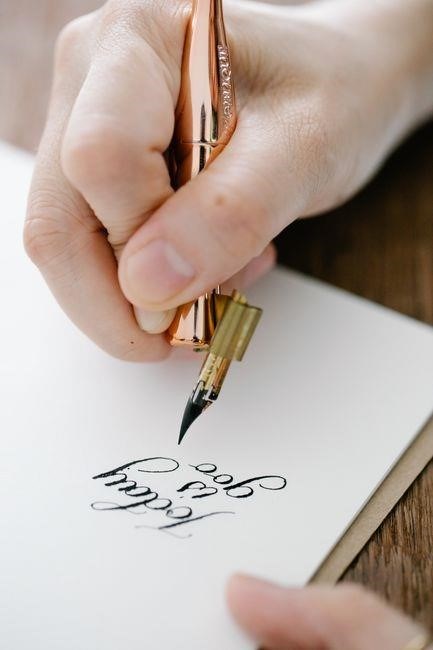
The spencerian pdf format captures the elegant strokes of Spencerian Script in a digital, searchable file. It preserves historical nuance while enabling modern editing, sharing, and archival. This introduction outlines its purpose, benefits, and foundational concepts. It unites heritage with modern tech, fast!!!
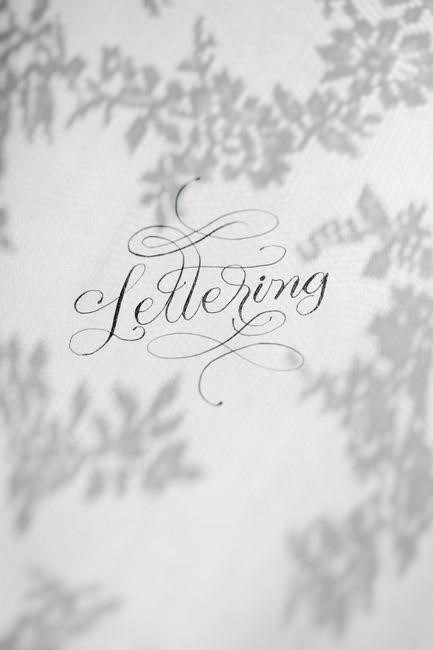
Historical Significance of Spencerian Script
Spencerian Script, a hallmark of 19th‑century American calligraphy, emerged from the vision of Platt Rogers Spencer, who sought to create a uniform, elegant handwriting style suitable for business and education. By the 1850s, the script’s flowing loops, crisp angles, and balanced proportions had become the standard in banks, schools, and government offices, replacing the inconsistent, individualistic penmanship that had prevailed. Its adoption fostered a shared visual language that transcended regional variations, enabling clearer communication across the rapidly expanding United States. The script’s influence extended beyond commerce; it shaped the aesthetic of invitations, certificates, and literary manuscripts, embedding itself into the cultural fabric of the era. As industrialization accelerated, Spencerian became a symbol of progress, marrying artistry with efficiency. In the 20th century, the script experienced a revival among calligraphers and designers, who appreciated its graceful geometry and historical resonance. Today, the spencerian pdf format serves as a digital bridge, preserving original manuscripts while offering searchable, scalable text for researchers, educators, and artists. By digitizing fragile documents, the format protects physical artifacts from degradation and democratizes access to primary sources. The enduring legacy of Spencerian Script illustrates how a single handwriting style can encapsulate an entire epoch’s values—precision, beauty, and innovation—while continuing to inspire contemporary creative practices and scholarly inquiry.
Modern calligraphers study Spencerian techniques, integrating its principles into lettering, branding, and typography. Archival projects routinely convert hand‑written ledgers into spencerian pdfs, ensuring long‑term preservation while enabling search functions. These efforts underscore the script’s lasting relevance, demonstrating that a historical handwriting style can adapt to evolving technologies and remain a vital resource for education, design, and cultural heritage!!
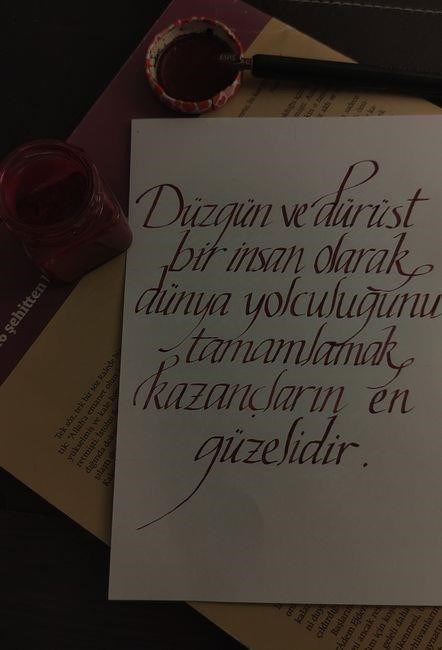
Understanding the spencerian pdf Format
The spencerian pdf format is a specialized digital representation that preserves the intricacies of Spencerian Script while enabling modern functionalities such as searchability, scalability, and secure distribution. At its core, the format embeds high‑resolution raster images of the original handwriting, coupled with embedded OCR layers that convert the script into machine‑readable text. This dual‑layer approach ensures that the visual fidelity of the elegant loops and slanted strokes remains intact, while also allowing users to perform keyword searches, copy text, and integrate the content into other documents or databases. The file structure follows the PDF/UA standard for accessibility, ensuring that assistive technologies can interpret the script’s structure and provide alternative text or audio descriptions. Metadata fields capture author, date, source, and provenance, supporting provenance tracking and digital rights management. The spencerian pdf can be created from scanned originals, handwritten drafts, or even directly from digital stylus input, with software tools applying vectorization and font mapping to maintain typographic consistency. When distributed, the format supports compression algorithms that reduce file size without compromising image quality, and encryption options that safeguard sensitive historical records. Because the spencerian pdf retains both image and text layers, it is ideal for archival institutions, academic researchers, and creative professionals seeking to preserve, analyze, or repurpose Spencerian manuscripts in a format that is both faithful to the original and fully functional in contemporary digital workflows. Moreover,the spencerian pdf format supports annotations,allowing scholars to add marginalia, comments, and cross‑references directly within the document. This feature enhances collaborative research and creates annotated editions that honor both the aesthetic heritage and rigor of the original manuscripts!!
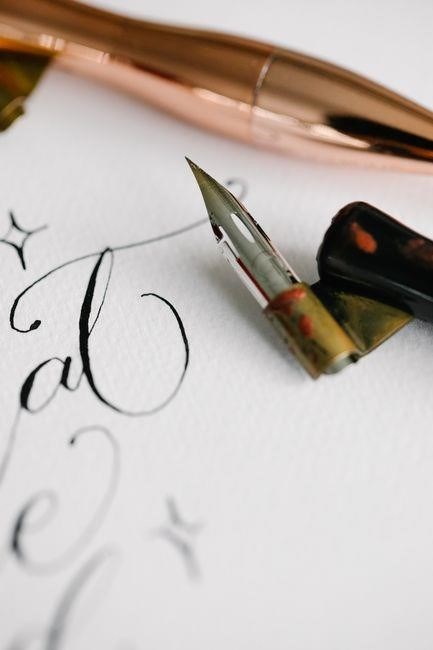
Creating spencerian pdfs from Handwriting
To create a spencerian pdf from handwriting, first scan the page at 300‑dpi, ensuring even lighting. Then use OCR software that recognizes Spencerian glyphs, map them to a digital font, and embed both the image and text layers into a PDF/UA file. Finally, compress and encrypt for sharing for archival integrity.
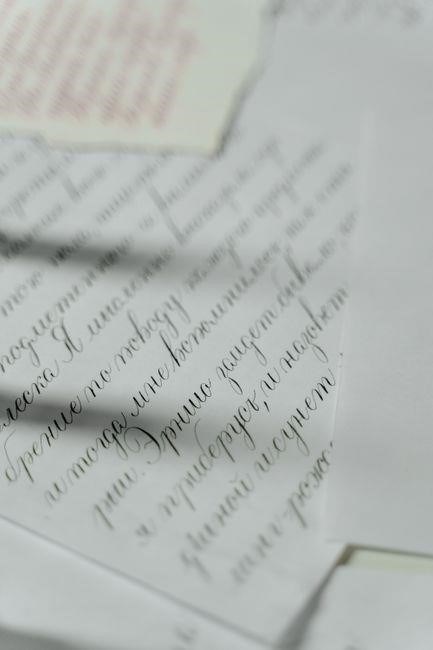
Scanning Techniques for Optimal Quality
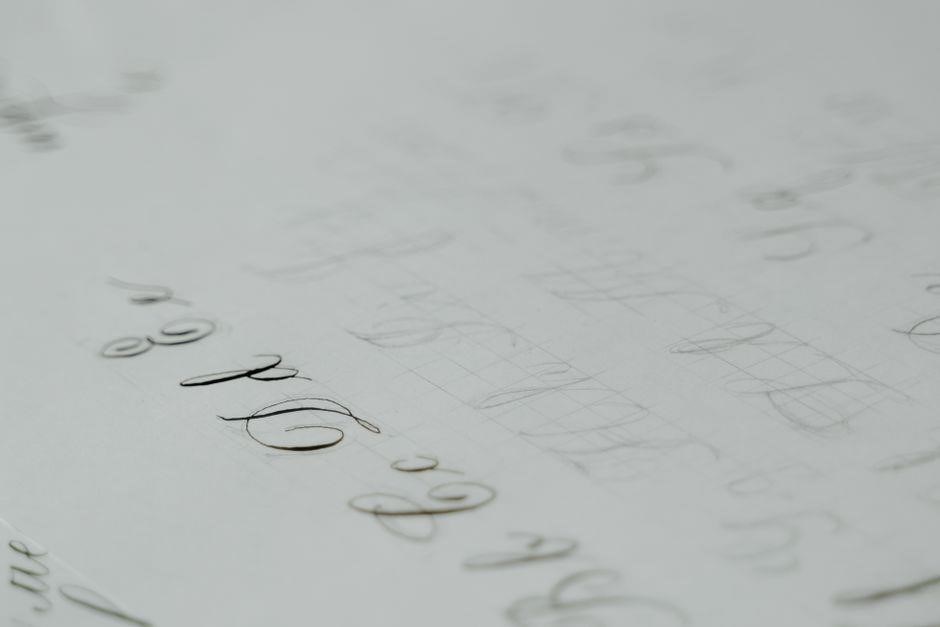
For spencerian pdfs, the first step is to capture the delicate strokes with precision. Use a flatbed scanner set to 300–600 dpi, ensuring the paper lies flat and the light source is even. Avoid glare by placing a matte overlay or using a scanner with a built‑in anti‑glare feature. The scanner’s color profile should be calibrated to a standard sRGB or Adobe RGB to preserve the subtle ink tones. After scanning, apply a noise‑reduction filter that preserves edge sharpness; a Gaussian blur of 0.5 px is often sufficient. Crop the image to remove excess margins, but leave a small border to avoid cutting off trailing descenders. Save the intermediate file in a lossless format such as TIFF or PNG to prevent compression artifacts. When converting to PDF, embed the original image as a high‑resolution layer and overlay a transparent text layer generated by OCR. Use OCR engines that support custom dictionaries for Spencerian glyphs, and manually correct any misrecognitions in a text editor before finalizing the PDF. Finally, validate the PDF with PDF/A‑1b compliance tools to ensure long‑term accessibility and archival stability. This workflow guarantees that the spencerian pdf retains both visual fidelity and machine‑readable content, making it suitable for educational, artistic, and archival purposes. By integrating these high‑resolution scans with vectorized text layers, archivists can create searchable, copy‑protected documents that honor the original artistry while ensuring accessibility across platforms and future‑proofing against software obsolescence. It preserves legacy. for all.
Software Tools for Conversion
Converting handwritten Spencerian script into a polished spencerian pdf requires a blend of scanning, OCR, and PDF editing tools. The workflow typically begins with a high‑resolution scan, then proceeds to optical character recognition that can interpret the unique ligatures and flourishes of Spencerian. Popular OCR engines such as ABBYY FineReader, Tesseract (with custom language packs), and Adobe Acrobat Pro DC offer robust recognition, but they often need manual post‑processing to correct mis‑identified glyphs. Once the text layer is accurate, a PDF editor like Adobe InDesign, Foxit PhantomPDF, or the open‑source LibreOffice Draw can be used to embed the OCR text over the scanned image, ensuring the document is searchable and selectable. For vector‑based output, tools such as Inkscape or CorelDRAW can trace the scanned strokes into SVG paths, which can then be exported as PDF/A‑1b compliant files. Additionally, specialized scripts such as the “Spencerian OCR” plugin for GIMP or the “Handwritten Text Recognition” module in the open‑source OCRopus framework can be integrated into a custom pipeline. The final step involves validating the PDF with a PDF/A validator like VeraPDF or the PDF/A‑Check tool to guarantee long‑term archival quality. By combining these software solutions, archivists and educators can produce high‑fidelity spencerian pdfs that preserve the aesthetic integrity of the original script while providing full text accessibility. Users can embed metadata tags to improve searchability linking the PDFs digital archives the Spencerian legacy stays accessible to scholars!!.
Practical Applications of spencerian pdfs
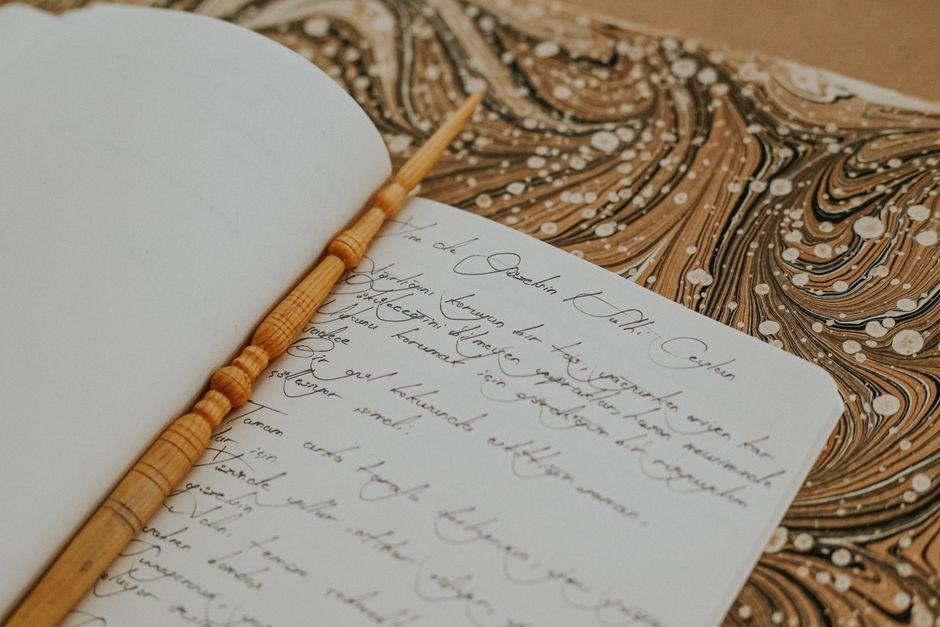
Spencerian pdfs aid educators, historians, and artists. Teachers embed them in lesson plans; researchers cite them in archives; designers use them for calligraphic branding. The format’s searchable text and high‑resolution imagery support daily study and preservation.!
Educational Resources
Spencerian pdfs serve as a bridge between historical calligraphy and contemporary education. Teachers can embed scanned manuscripts into lesson plans, allowing students to trace the evolution of penmanship from the 19th century to today. By converting handwritten notes into searchable PDF, educators enable quick reference and annotation, fostering a deeper understanding of script mechanics.
Libraries and archives digitize collections of Spencerian letters, business cards, and personal journals, making them freely accessible for research. These resources support interdisciplinary studies, linking art history, business communication, and linguistics. Students can compare original ink strokes with digital reproductions, analyzing variations in pressure, slant, and ornamentation.
Online platforms host interactive tutorials that guide learners through the fundamentals of Spencerian style—loop formation, flourish placement, and consistent spacing. Many courses integrate PDF worksheets, allowing learners to practice and then upload completed pages for automated grading. This blend of visual and textual feedback accelerates skill acquisition.
Workshops and webinars are organized by calligraphy societies, offering live demonstrations of converting handwritten drafts into polished spencerian pdfs. Participants learn to use software tools that preserve the fluidity of the script while enhancing legibility. These sessions also cover best practices for file management, ensuring that the digital archives remain durable and searchable over time.
For advanced users, academic journals publish case studies on the application of spencerian pdfs in digital humanities projects. Researchers examine how the format supports textual analysis, metadata tagging, and long‑term preservation. By integrating OCR technology, scholars can extract textual content from scanned documents, enabling large‑scale comparative studies across historical periods.
Students and professionals use spencerian pdfs to preserve documents while integrating modern workflows daily.
Artistic Projects
Spencerian pdfs unlock a world of creative possibilities. Artists scan handwritten sketches, ornate invitations, or personal journals, then use vector tools to refine strokes while preserving fluidity. The PDFs become versatile assets for print, web, or digital installations. In graphic design, the elegant loops and swirls of Spencerian Script lend themselves to branding, wedding stationery, and editorial illustration. By converting hand‑drawn motifs into spencerian pdfs, designers maintain authenticity while ensuring scalability across media. Digital artists layer spencerian pdfs over photographic backgrounds, creating mixed‑media compositions that juxtapose historical elegance with contemporary imagery. The PDF format allows transparent layers, enabling seamless integration into compositing software like Adobe After Effects or Blender. Calligraphy enthusiasts produce limited‑edition prints by exporting high‑resolution spencerian pdfs and printing on archival paper. The PDFs serve as master files, guaranteeing each print retains exact proportions and line weights of the original script. Collaborative projects merge multiple spencerian pdfs into a single narrative, such as a digital scrapbook or a virtual museum exhibit. Curators annotate PDFs with metadata, linking each piece to its historical context and creator, enriching the viewer’s experience. Finally, interactive installations use spencerian pdfs as triggers for motion graphics or soundscapes, turning static handwriting into immersive, sensory art that engages audiences in new, unexpected ways. Moreover, educators can incorporate spencerian pdfs into classroom projects, encouraging students to create personalized certificates or invitations that reflect historical aesthetics while practicing modern digital workflows. The portability of spencerian pdfs makes them ideal for collaborative workshops, where participants can share, edit, and remix designs in real time, fostering a community of practice around calligraphic heritage.
Best Practices for Managing spencerian pdfs
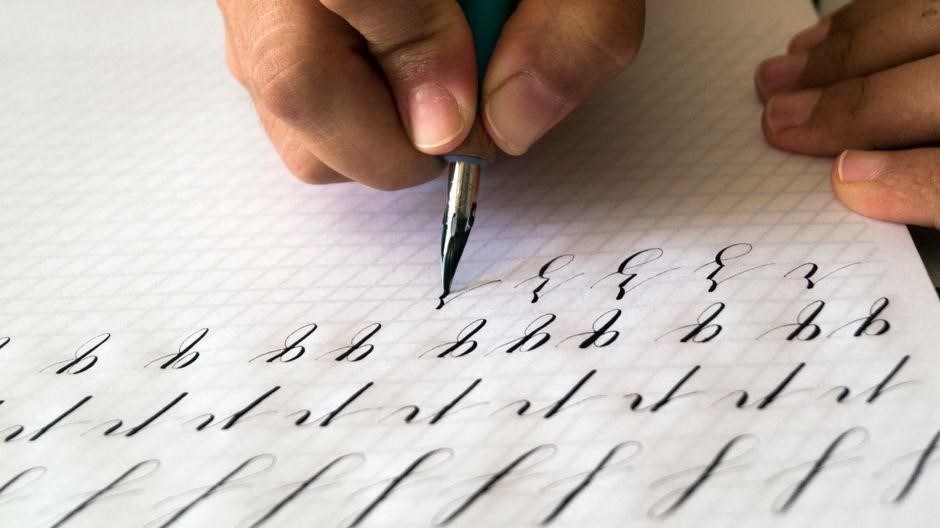
Organize files in a folder hierarchy, use names, and maintain version control. Embed metadata for searchability. Back up regularly, encrypt PDFs, and compress images to reduce size without losing detail. Follow consistent naming conventions and audit trails.!!!
Ensuring File Integrity and Security
Maintaining the authenticity of a spencerian pdf demands a layered approach that blends technical safeguards with meticulous workflow discipline. First, version control is essential: each edit should generate a new revision stamped with a unique identifier and a cryptographic hash. By storing these hashes in a secure, immutable ledger, you can detect any unauthorized alterations. Second, encryption protects the file during transit and storage. Employing AES‑256 encryption with a key derived from a strong passphrase ensures that only authorized users can open the document. Third, digital signatures provide non‑repudiation; signing the PDF with a certified private key binds the author’s identity to the content, and any subsequent change invalidates the signature. Fourth, integrity checks can be automated using checksum utilities such as SHA‑512, which produce a 128‑character digest that can be embedded in the PDF metadata. When the document is accessed, the digest is recomputed and compared against the stored value. Fifth, access control lists (ACLs) should be applied at the file system level, restricting read/write permissions to a minimal set of trusted accounts. Finally, regular audits—both manual and scripted—should verify that the file’s hash, signature, and access permissions remain unchanged. By integrating these practices, organizations can preserve the historical fidelity of spencerian pdfs while safeguarding them against tampering, loss, or accidental modification. Adhering to these layered safeguards ensures that the spencerian pdf remains a trustworthy, tamper‑proof record for future generations, and integrating automated integrity checks into the content management system further reduces manual oversight and enhances resilience.
Optimizing File Size for Distribution

Distributing spencerian pdfs efficiently requires careful compression and content management. Start by converting handwritten strokes to vector graphics; vectors scale without pixel loss and keep file size low. Next, apply lossless image compression (PNG or WebP) for any embedded photos, and use JPEG‑2000 for high‑resolution scans when quality is paramount. Embed fonts selectively: subset only the glyphs actually used, and prefer system fonts when possible. Enable PDF/UA compliance to allow text extraction, which reduces reliance on large image blocks. Use the PDF Optimizer in Adobe Acrobat or Ghostscript to remove unused objects, streamline metadata, and flatten transparency. For large archives, split the document into chapters, each as a separate PDF, and link them with a master table of contents. This modular approach lets recipients download only the sections they need. Finally, host the PDFs on a content delivery network (CDN) that supports HTTP/2 and gzip compression, ensuring rapid delivery worldwide. By combining vectorization, selective font embedding, advanced compression, and smart distribution strategies, you keep spencerian pdfs lightweight, accessible, and ready for any audience. Additionally, incorporate incremental updates so that only changed sections are transmitted, and use compressed cross‑reference streams to reduce overhead. Adding bookmarks and a well‑structured outline improves navigation without adding bulk. Finally, test the final file with a PDF validator to ensure compliance and minimal size before distribution.
When distributing large collections, packaging PDFs into a ZIP archive preserves folder hierarchy and reduces download time, which is especially useful for educators sharing multiple related documents and presentations.!!
Future Trends and Innovations in spencerian pdfs
Emerging technologies are reshaping how handwritten scripts are digitized, shared, and preserved. Machine‑learning models trained on thousands of calligraphic samples can now auto‑recognize subtle flourishes, enabling near‑instant conversion of scanned pages into clean, searchable text; This reduces manual transcription effort and improves accuracy for archival projects. Meanwhile, cloud‑based collaborative platforms allow multiple users to annotate, edit, and layer digital ink in real time, fostering interactive learning environments and collective restoration efforts. Adaptive compression algorithms, such as those leveraging neural networks, can compress high‑resolution scans to a fraction of their original size while maintaining visual fidelity, making large collections more accessible over limited bandwidth. The integration of blockchain for provenance tracking ensures that each digitized page carries an immutable record of origin, creator, and edit history, which is invaluable for scholarly research and cultural heritage preservation. Finally, augmented‑reality overlays can project the original hand‑written strokes onto physical artifacts, providing immersive educational experiences that bridge past and present. These innovations collectively promise a future where historical scripts are not only preserved but also dynamically engaged with by scholars, students, and enthusiasts worldwide. Researchers are exploring quantum‑based compression, potentially shrinking file sizes while keeping legibility, aiding long‑term storage for AI!